
Flagship 8K full-frame cinema sensor with 17 stops of dynamic range, 3.65 µm pixel pitch and up to 75 fps at 8K resolution for VFX-intensive blockbuster production.
Famous examples · RED Monstro
The Suicide Squad
James Gunn and DOP Henry Braham used the RED Monstro to capture the film's hyper-saturated comic-book palette and extreme contrasts between jungle shadows and explosion highlights within the sensor's 17-stop dynamic range. The 8K resolution allowed aggressive digital zooms and reframes in post-production without quality loss.

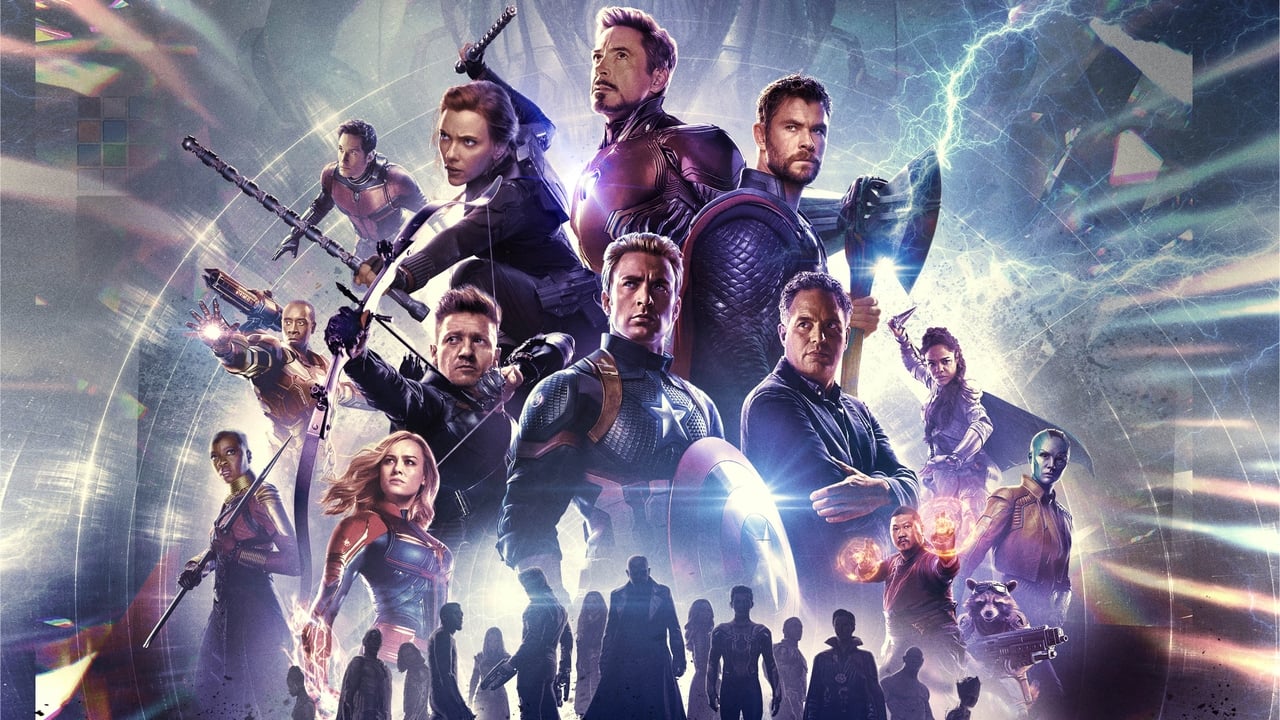
Avengers: Endgame
Trent Opaloch deployed RED Monstro cameras for the climactic battle sequences, with the 8K footage giving ILM and Weta Digital maximum latitude for integrating thousands of digital characters. The sensor's wide dynamic range preserved detail in HDR theatrical presentations.
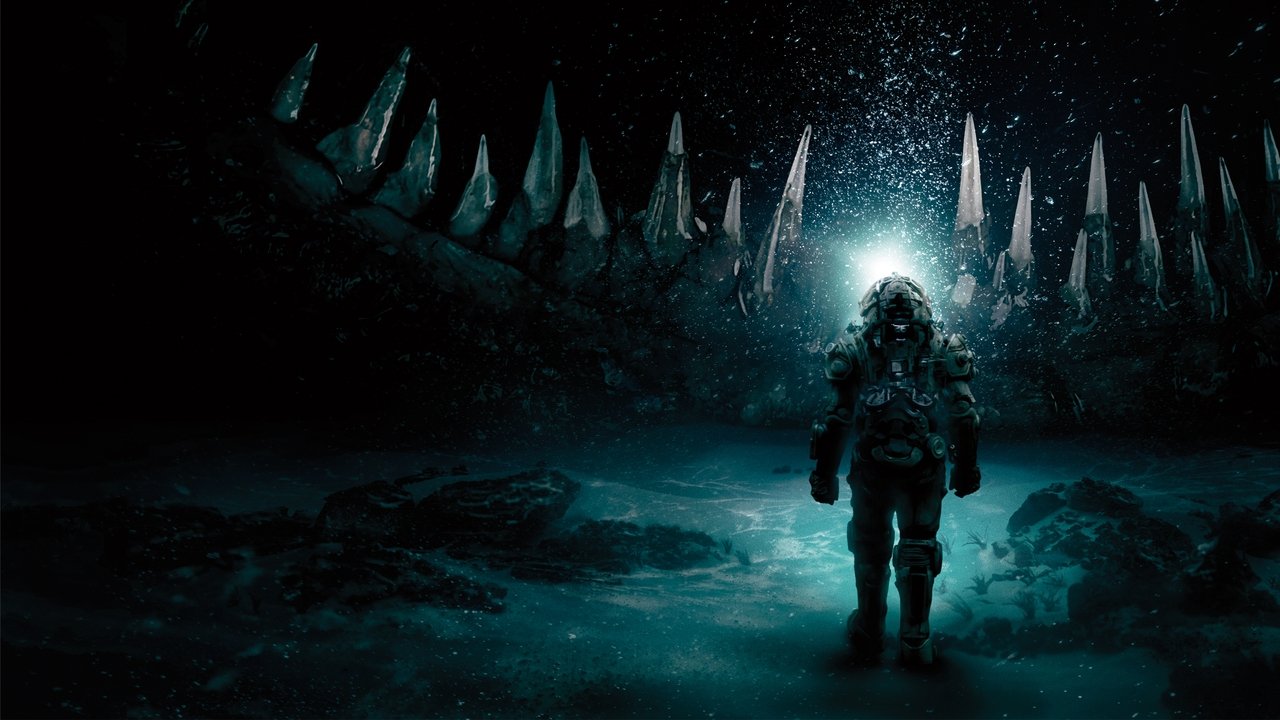
Underwater
Bojan Bazelli relied on the RED Monstro in the extremely low-light underwater sets, where the 17-stop dynamic range was critical to simultaneously retain deep-sea shadows and bright bioluminescent practical effects. The 3.65 µm pixel pitch delivered low-noise imagery even in the darkest shots.
Jungle Cruise
Flavio Labiano chose the RED Monstro for its ability to seamlessly blend the warm, analog period aesthetic of 1910s cinematography with extensive digital jungle and creature VFX. The high resolution and wide dynamic range allowed VFX supervisors to integrate digital elements into the organic footage without compromising on detail.

Film stills sourced via the TMDB API. This product uses the TMDB API but is not endorsed or certified by TMDB. themoviedb.org ›
Geschichte & Entwicklung
RED stellte den Monstro-Sensor 2017 auf der NAB vor und integrierte ihn zunächst in die WEAPON-Kameragehäuse. Ab 2018 folgte die Integration in die DSMC2-Produktlinie, später in die RANGER- und V-RAPTOR-Systeme. Die Entwicklung dauerte drei Jahre und kostete RED rund 50 Millionen Dollar. 2019 erhielt der Sensor ein Firmware-Update, das die Farbwiedergabe in den Mitteltönen um 15% verbesserte.
Praxiseinsatz im Film
James Gunn verwendete die RED Monstro für "The Suicide Squad" (2021), um maximale Detailauflösung in den praktischen Explosionsszenen zu erfassen. "Army of the Dead" (2021) von Zack Snyder nutzte die 8K-Auflösung für extreme digitale Zooms in der Postproduktion. Der Sensor eignet sich besonders für VFX-lastige Produktionen, da die hohe Auflösung präziseres Keying und Compositing ermöglicht. Typische Workflows verwenden 8:1 bis 12:1 REDCODE-Kompression für optimale Speichereffizienz.
Vergleich & Alternativen
Im Vergleich zur ALEXA LF (4.5K) bietet die Monstro doppelte Auflösung, aber geringeren dynamischen Umfang (17 vs. 14,5+ Blendenstufen). Die Sony VENICE erreicht ähnliche 6K-Qualität, kann aber nicht mit der 8K-Auflösung konkurrieren. REDs Nachfolger V-RAPTOR 8K VV (2021) verwendet weiterentwickelte Sensor-Technologie mit verbesserter Schattenzeichnung. Für reine Kinoproduktionen ohne VFX-Fokus bleiben 4K-Systeme oft die praktischere Wahl aufgrund geringerer Datenmengen.
Technische Daten
Sensor & Auflösung
| Parameter | Wert |
|---|---|
| Sensortyp | Back-Side Illuminated (BSI) CMOS |
| Auflösung | 8.192 x 4.320 Pixel (8K DCI 1:1.9) |
| Sensorgröße | 35,4 Megapixel |
| Sensor-Dimensionen | 40,96 x 21,60 mm diagonal 46,31 mm |
| Pixelgröße | 3,65 µm (vollständig gefüllt) |
| Format | Full-Frame oder Super35 Crop-Modus |
Dynamikumfang & ISO
Dynamikumfang: 17 Blendenstufen
Native ISO: 800 ASA
Extended Sensitivity: 50 – 25.600 ASA
Rauschverhalten: 3,65 µm Pixelpitch ermöglicht Low-Noise-Aufnahmen auch bei höheren ISOs
Aufzeichnungsformate & Frame Rates
| Resolution | Maximale Framerate | Sensor-Modus |
|---|---|---|
| 8K (8.192 x 4.320) | 60 fps | Full-Frame oder S35 |
| 6K (6.144 x 3.240) | 75 fps | S35-Crop oder FF-Windowing |
| 4K (4.096 x 2.160) | 150 fps | Verschiedene Aspect Ratios |
| 2K (2.048 x 1.080) | 300 fps | Für High-Speed-Effekte |
| Anamorphe Modi | bis 75 fps (8K) | 2:1 Anamorphe Support |
REDCODE RAW Kompression
Verfügbare Kompressionsstufen: 2:1, 3:1, 5:1, 8:1, 12:1, 16:1, 22:1
Speicherbedarf (8K, 24fps):
- 2:1: ~2,4 TB/Stunde
- 8:1: ~600 GB/Stunde
- 12:1: ~400 GB/Stunde
- 16:1: ~300 GB/Stunde
Alternative Codecs: ProRes, DNxHR (optional)
Aufzeichnungsmedien: RED MINI-MAG (CFast 2.0), RED STATION (Enterprise SSD)
Optik & Mount-Optionen
Objektivanschluss: PL oder Canon EF (kameraspezifisch)
Support für Optiken: Sphärische und Anamorphe vollständig unterstützt
Crop-Modi:
- Full-Frame (8K native)
- Super35 (reduzierter Winkel, höhere Framerate möglich)
Motorisierter Fokus: RF-Konnektoren für motorisierte EF-Objektive
Gehäuse & Integration
Gehäuse-Optionen: WEAPON, DSMC2, RANGER, V-RAPTOR Bajonett
Gewicht (Brain ohne Objektiv): ~1,5-2,0 kg (kameraspezifisch)
Abmessungen: Kameragehäuse-abhängig
Material: Carbon Fiber oder Composite-Optionen verfügbar
Rolling Shutter & Timing
Rolling Shutter: ~19,2 ms bei 24 fps (Full-Frame)
Shutter-Winkel: 360° elektronisch einstellbar
Timecode: Robust bei hohen Framerates
Genlock/Sync: Externe Synchronisation möglich
Stromversorgung & Medien
Batterie-Optionen: Gold Mount oder V-Mount (kameraspezifisch)
Stromverbrauch: 60-90 Watt Dauerbetrieb
Externe Stromversorgung: 12-24V DC 4-Pin XLR
Speicher-Eco: RED MINI-MAG (512 GB – 1 TB)
Monitoring & Output
Video-Ausgänge: 3G-SDI, HDMI (4:2:0 für Monitoring)
Timecode-Output: BNC, Genlock-In (tri-level Sync)
Farbraum: REDWideGamutRGB, REDLog3G10 Encoding
Metadaten: Automatische Tag-Aufzeichnung (Framerate, Auflösung, ISO, Blende, etc.)
Color Science & Workflow
Color Pipeline: REDCine-X Pro (native R3D-Bearbeitung)
IPP2 Support: Erweiterte Farbwissenschaft und Rauschreduktion
LUT-Export: 3D LUT für externe Color-Grading-Tools
Konvertierung: REDCODE zu ProRes oder DNxHR möglich