
Panavision is a technique in filmmakingtography.
Famous examples · Panavision
Lawrence of Arabia
Freddie Young used Panavision anamorphic lenses to capture the endless desert landscapes in a 2.20:1 format, elevating the film's epic scope into a visual philosophy. The characteristic horizontal lens flares of Panavision optics became an iconic stylistic device here for the first time.

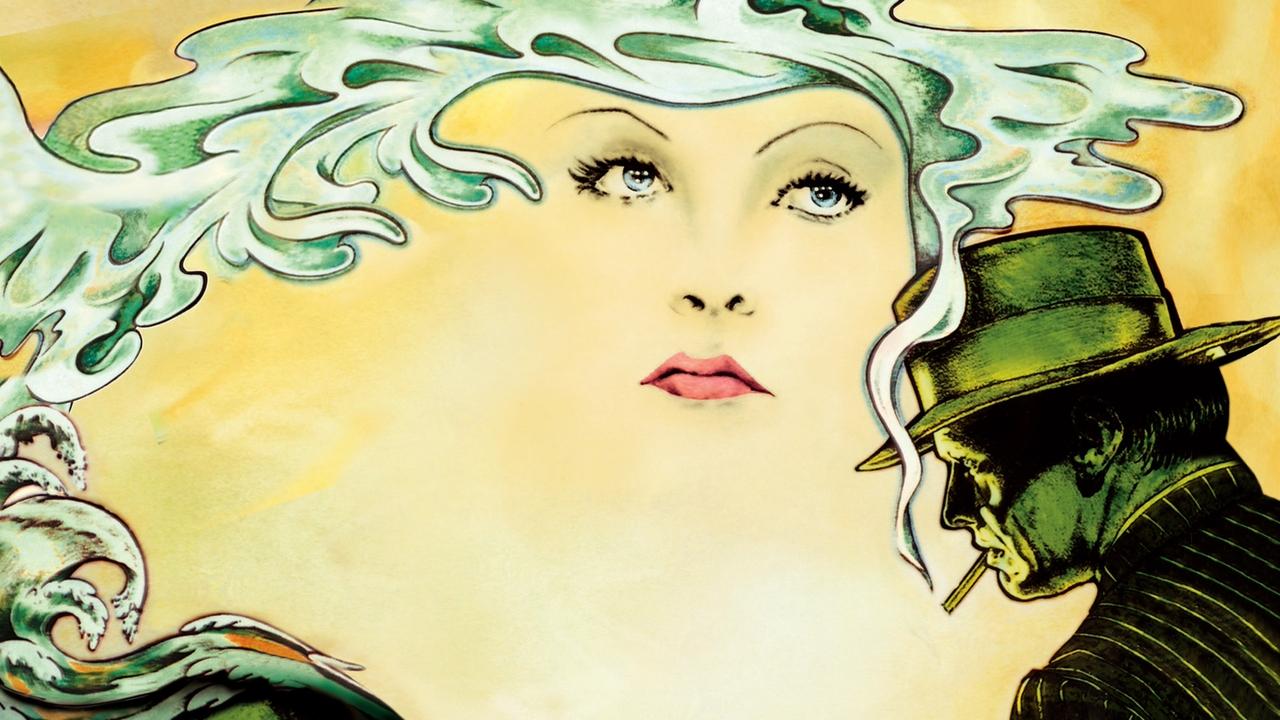
Chinatown
John A. Alonzo shot this neo-noir classic with Panavision anamorphic lenses, whose soft, characteristic bokeh and subtle distortion amplify the film's claustrophobic atmosphere. The oval out-of-focus rendering of Panavision lenses gives the close-ups of Jack Nicholson an unmistakable depth.
There Will Be Blood
Robert Elswit shot the film with older-generation Panavision anamorphic lenses to create a raw, organic look that authentically captures the oil fields of the early 20th century. The characteristic lens flares and wide aspect ratio underscore the monumental isolation of the protagonist.

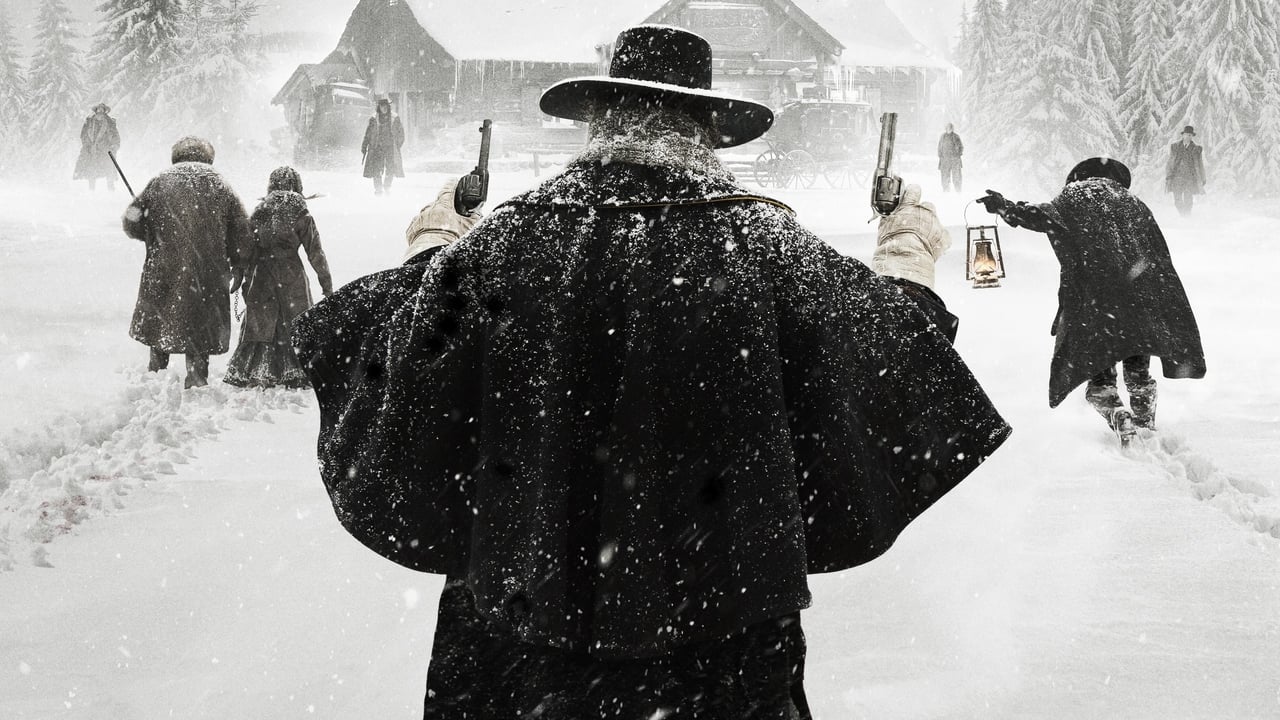
The Hateful Eight
Tarantino and Richardson were the first in decades to shoot with Ultra Panavision 70 and its 1.25:1 anamorphic lenses, producing an extreme 2.76:1 aspect ratio. The film impressively demonstrates how Panavision optics create a distinctive visual language even in tight interiors through their characteristic bokeh and wide-angle distortion.
Film stills sourced via the TMDB API. This product uses the TMDB API but is not endorsed or certified by TMDB. themoviedb.org ›
Technische Details
Panavision-Anamorphoten verwenden zylindrische Linsenelemente, die das Licht nur in horizontaler Richtung brechen. Standard-Panavision komprimiert horizontal um 2:1, während Ultra Panavision 70 (1,25:1 Kompression) ein extremes 2,76:1-Format erzeugt. Die Objektive weisen charakteristische ovale Unschärfekreise (Bokeh) und horizontale Lens Flares auf. Moderne Panavision-G- und H-Serien bieten Brennweiten von 17mm bis 150mm bei T-Blenden zwischen T1.4 und T22. Das System arbeitet mit 35mm-Film oder digitalen Sensoren im entsprechenden Crop-Faktor.
Geschichte & Entwicklung
Robert Gottschalk gründete Panavision 1953 als Antwort auf das konkurrierende CinemaScope-System von Fox. Der erste Film mit Panavision-Optiken war "The Big Fisherman" (1959). 1957 entwickelte Panavision das Auto Panatar-System, 1965 folgte Super Panavision 70 für 65mm-Film. Ultra Panavision 70 debütierte 1962 mit "Mutiny on the Bounty". Nach der Übernahme durch Panavision Inc. 1965 etablierte sich das Unternehmen als Marktführer für Verleihoptiken in Hollywood. 2019 übernahm die Light Iron-Muttergesellschaft das Unternehmen.
Praxiseinsatz im Film
Panavision prägte das moderne Breitwandkino: "Lawrence of Arabia" (1962, Super Panavision), "Ben-Hur" (1959, MGM Camera 65), "2001: A Space Odyssey" (1968) nutzten das System für epische Darstellungen. Quentin Tarantino drehte "The Hateful Eight" (2015) bewusst in Ultra Panavision 70. Die anamorphotische Verzerrung verstärkt Weitwinkel-Effekte und erzeugt charakteristische Tiefenschärfe-Verläufe. Bei Schwenks entstehen typische Warp-Effekte an den Bildrändern. Das System eignet sich besonders für Landschaftsaufnahmen und actionreiche Sequenzen.
Vergleich & Alternativen
Konkurrenzprodukte sind Cooke Anamorphic, ARRI Master Anamorphic und Hawk V-Lite. Panavision vermietet ausschließlich, während andere Hersteller auch verkaufen. Digital-Cinema-Kameras wie ARRI Alexa oder RED können anamorphotische Looks auch durch Sensor-Cropping simulieren. Spherical-Objektive mit 2,39:1-Crop bieten weniger charakteristische Optik, aber einfachere Handhabung. Vintage-Panavision-Linsen aus den 1970ern sind für ihren warmen, weichen Look begehrt, moderne G- und H-Serien bieten höhere Schärfe und weniger Verzerrung.