
Camera tight on face, head fills frame. Every blink, every muscle twitch visible. Essential for reaction shots—reveals whether an actor can carry a moment in silence.
Famous examples · Close-Up
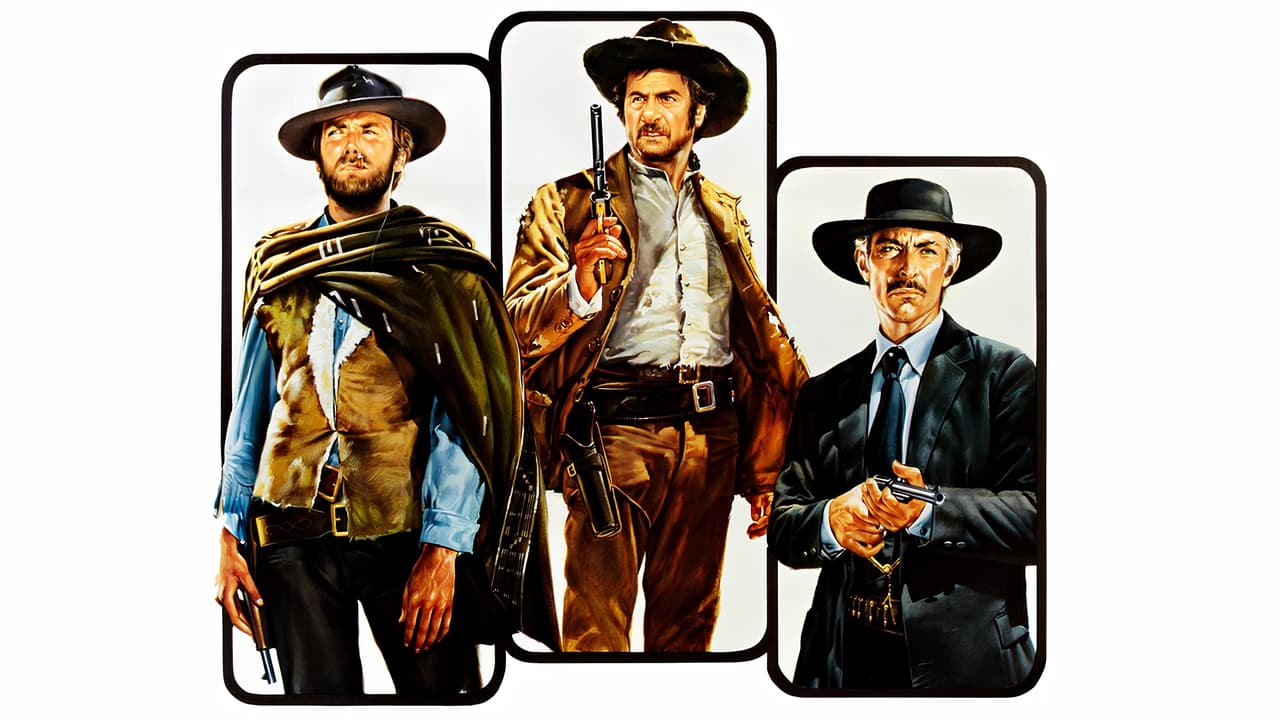
Il buono, il brutto, il cattivo (The Good, the Bad and the Ugly)
Sergio Leone escalates the final standoff through extreme close-ups of his protagonists' eyes, turning the face into an arena of psychological tension. No other film has deployed the close-up so consistently as a tool of dramatic suspense.
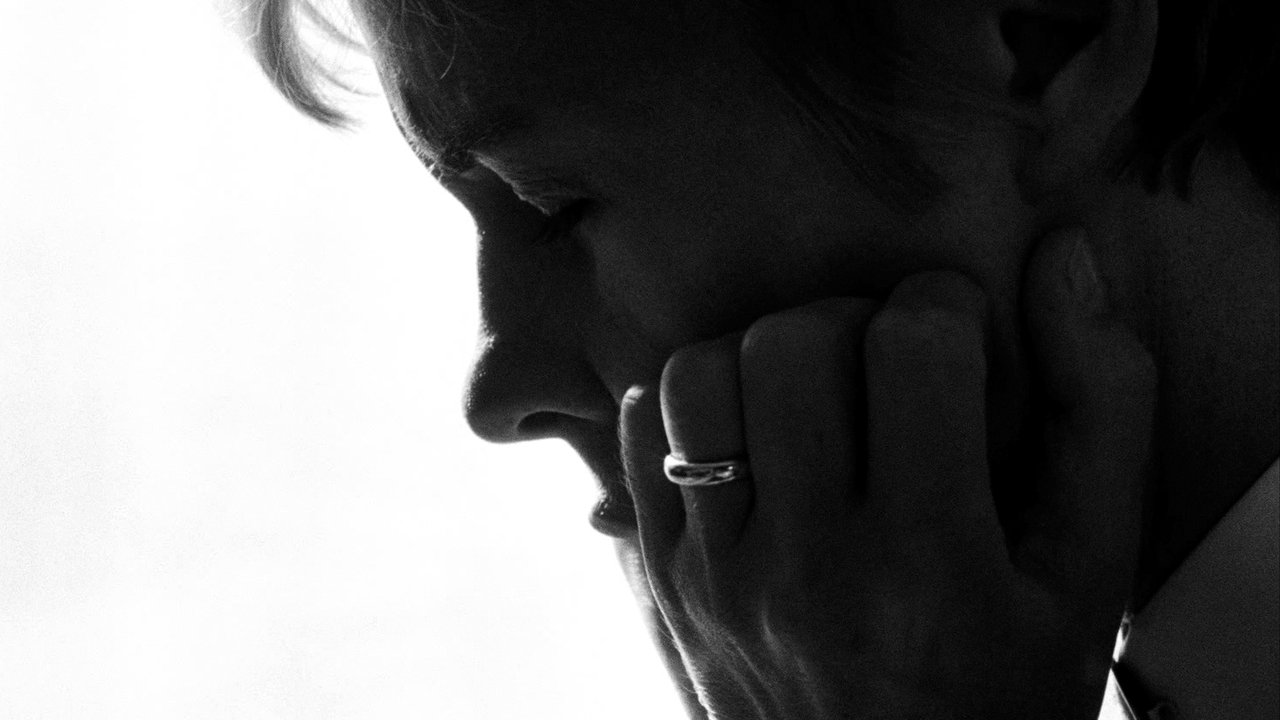
Persona
Bergman and cinematographer Sven Nykvist use the close-up to literally merge the identities of two women – the famous composite of two face-halves is considered one of the boldest close-up moments in film history. The human face becomes the film's sole dramatic location.
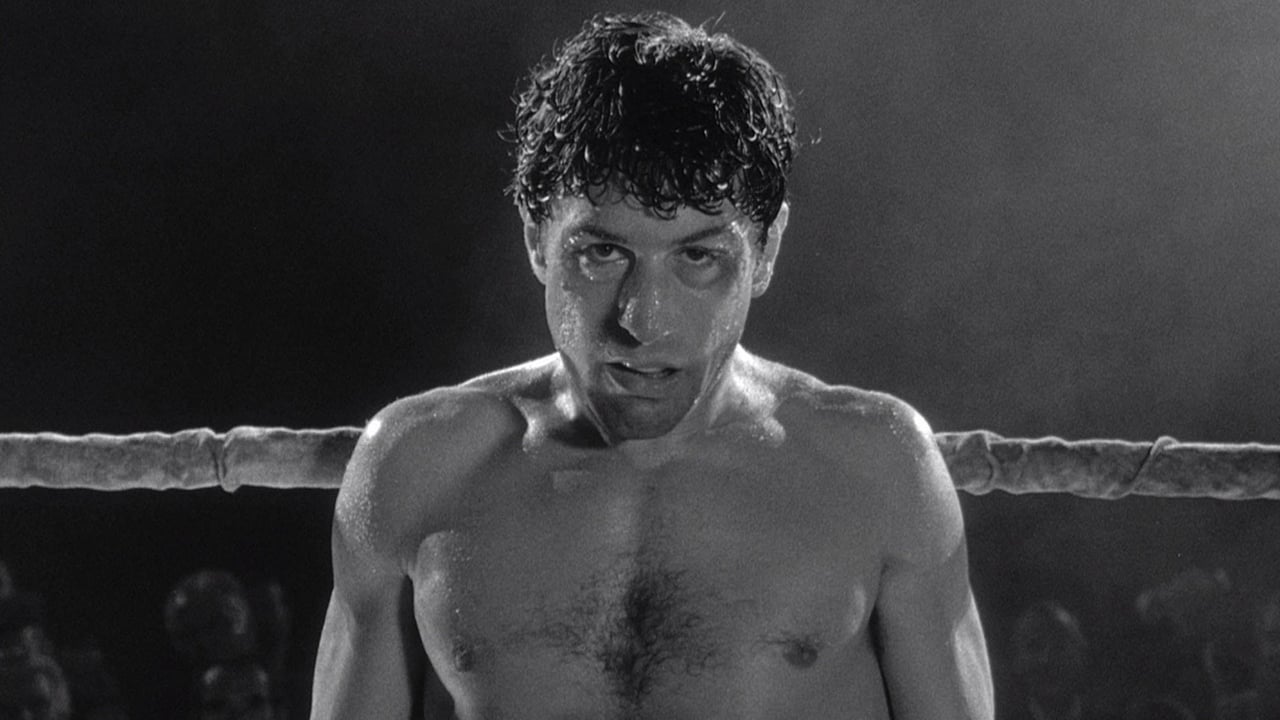
Raging Bull
Michael Chapman's expressive black-and-white close-ups of Robert De Niro's face in the boxing ring make every blow physically palpable while simultaneously revealing the protagonist's inner devastation. The close-up functions here as an emotional X-ray.
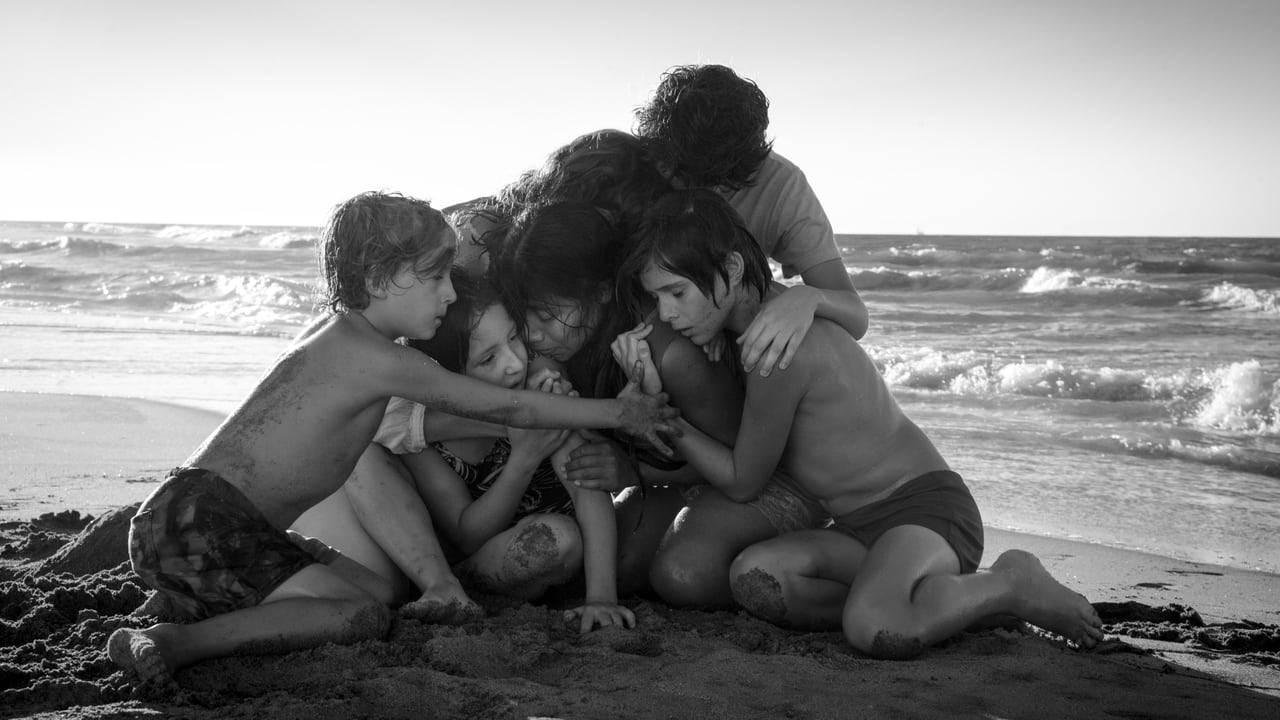
Roma
Cuarón deliberately uses close-ups of Yalitza Aparicio's face to grant an indigenous domestic worker the dignity and interiority that society denies her – the close-up becomes an act of making visible. The camera lingers on her face, elevating it to the center of the narrative.
Film stills sourced via the TMDB API. This product uses the TMDB API but is not endorsed or certified by TMDB. themoviedb.org ›
Definition
Das Close-Up (deutsch: Großaufnahme, Abkürzung: CU oder G) ist eine Einstellungsgröße, bei der das Gesicht einer Person das Bild formatfüllend ausfüllt. Der typische Bildausschnitt reicht von der Oberkante des Kopfes bis zum oberen Brustbereich. Das Close-Up ist eines der wichtigsten Werkzeuge filmischer Erzählung.
Bildausschnitt
Klassisches Close-Up
┌─────────────────────────┐
│ │
│ ┌───────────┐ │
│ │ Stirn │ │
│ │ Augen │ │
│ │ Nase │ │
│ │ Mund │ │
│ │ Kinn │ │
│ └───────────┘ │
│ (Schultern) │
└─────────────────────────┘
Variationen
- Medium Close-Up (MCU): Etwas weiter, Kopf bis Brust
- Big Close-Up (BCU): Enger, nur Stirn bis Kinn
- Extreme Close-Up (ECU): Nur Augen oder Mund
Funktion und Wirkung
Emotionale Wirkung
- Intimität und Nähe erzeugen
- Inneres Leben des Charakters zeigen
- Empathie beim Zuschauer wecken
- Reaktionen hervorheben
Dramaturgische Funktion
- Wichtige emotionale Momente betonen
- Wendepunkte markieren
- Aufmerksamkeit fokussieren
- Zeit subjektiv dehnen
Informationsvermittlung
- Reaktionen zeigen
- Lügen/Wahrheit andeuten
- Entscheidungsprozesse visualisieren
Technische Umsetzung
Brennweite
- Porträt-Brennweiten: 50mm, 85mm, 100mm (Vollformat)
- Längere Brennweiten komprimieren Gesichtszüge vorteilhaft
- Weitwinkel im Close-Up verzerrt (Stilmittel oder Fehler)
Licht
- Key Light: Definiert Charakter des Gesichts
- Augenlichter: Essentiell für Lebendigkeit
- Schatten: Erzählen mit (Noir) oder neutral (TV-Standard)
Fokus
- Schärfepunkt auf den Augen (äußeres Auge bei Seitenblick)
- Bei offener Blende: Nase/Ohren bereits unscharf
- Focus Puller muss präzise arbeiten
Regeln und Tipps
Bildkomposition
- Blickrichtung beachten: Luft lassen in Blickrichtung
- Headroom: Nicht zu viel Raum über dem Kopf
- Augen im oberen Bilddrittel (Drittel-Regel)
Wann Close-Up einsetzen?
- ✓ Emotionale Höhepunkte
- ✓ Reaktionen auf wichtige Ereignisse
- ✓ Innere Konflikte
- ✓ Erkenntnismomente
- ✗ Nicht inflationär verwenden
- ✗ Nicht für neutrale Informationsvermittlung
Geschichte des Close-Ups
Das Close-Up wurde von Pionieren wie D.W. Griffith und Sergei Eisenstein als revolutionäres Erzählmittel etabliert. Vor dem Film gab es keine Kunstform, die das menschliche Gesicht so groß und detailliert zeigen konnte.
"Das Close-Up ist die Seele des Films." — Béla Balázs, Filmtheoretiker
Kulturelle Unterschiede
- Hollywood: Häufiger Einsatz, emotionale Führung
- Europäisches Kino: Oft zurückhaltender, distanzierterer
- Asiatisches Kino: Lange gehaltene Close-Ups (Wong Kar-wai)
Siehe auch
- Extreme Close-Up – Noch engerer Ausschnitt
- Medium Shot – Halbnahe Einstellung
- Einstellungsgröße – Übersicht aller Größen
- Großaufnahme – Deutscher Fachbegriff