
Large format film gauge offering superior image quality for theatrical projection.
Famous examples · 65mm
Lawrence of Arabia
Freddie Young used the 65mm format to capture the endless expanses of the Arabian desert with breathtaking sharpness and depth – the vast image area made the landscape itself the dramatic protagonist.

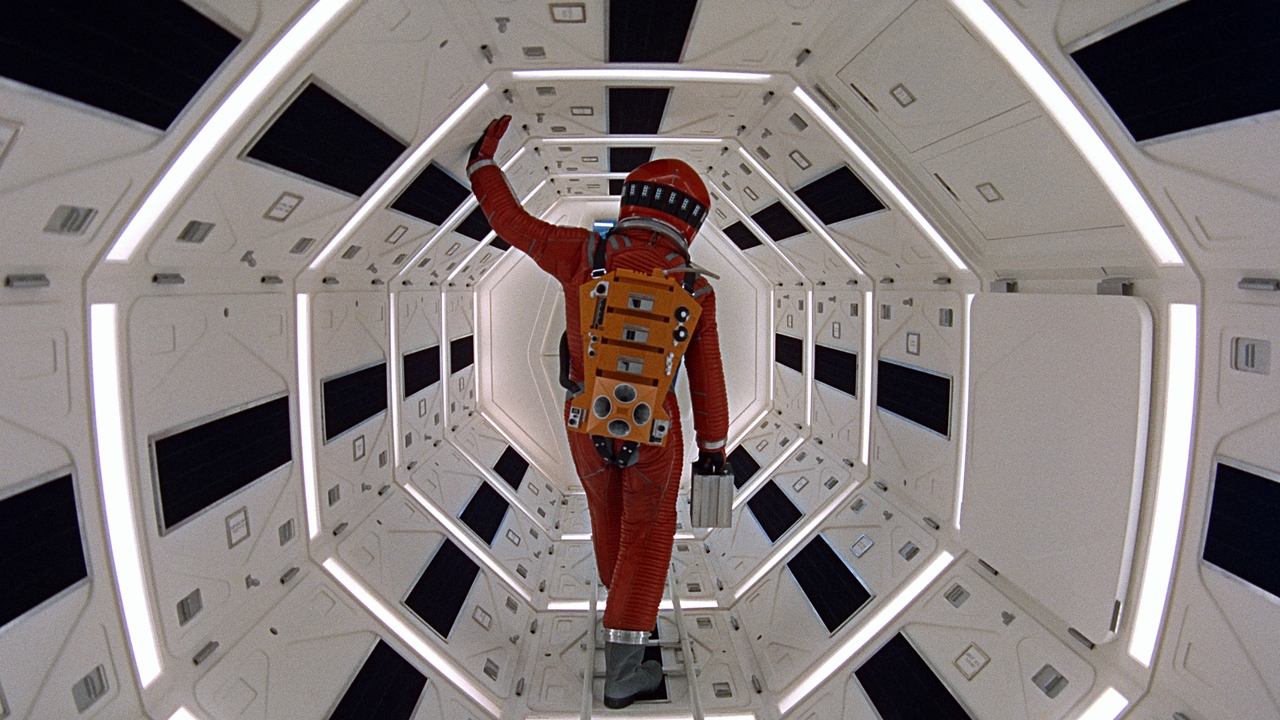
2001: A Space Odyssey
Kubrick chose the 65mm format for his vision of space, rendering the geometric purity of space stations and the infinite blackness of the cosmos with maximum image resolution and depth of detail.
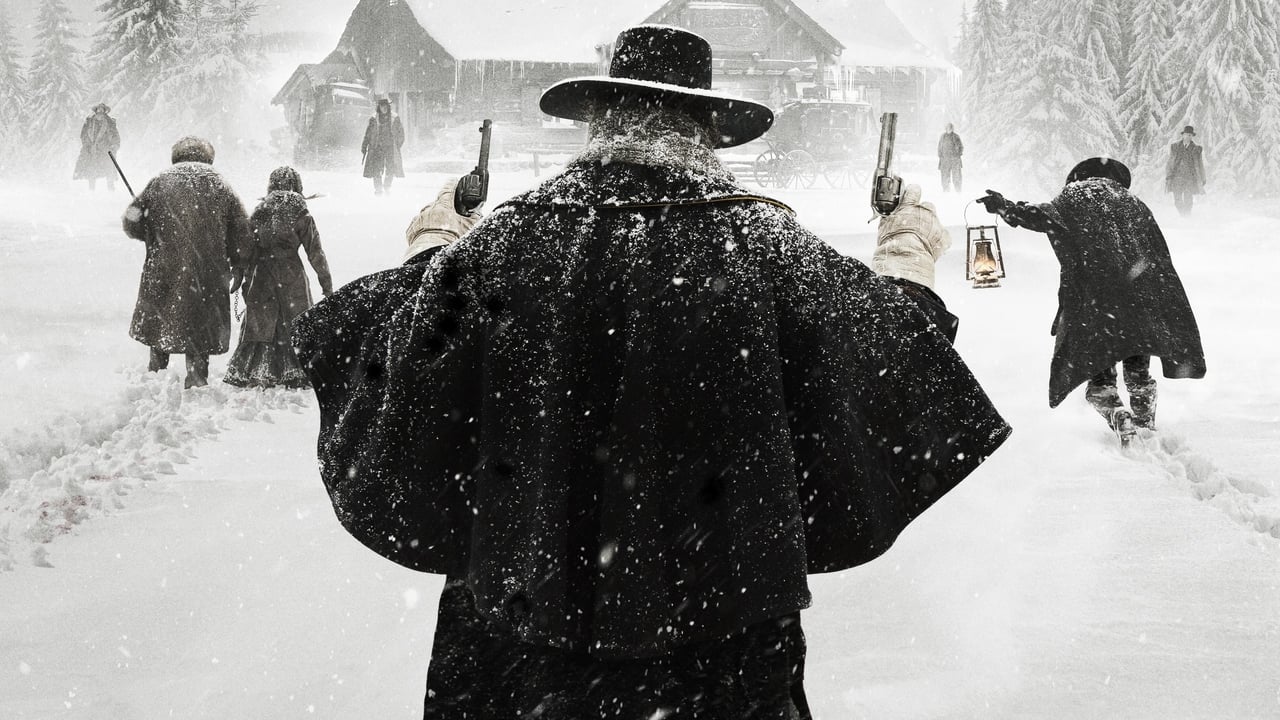
The Hateful Eight
Tarantino shot on analog 65mm Ultra Panavision 70, sparking a renaissance of the large format – the extreme anamorphic lens produced an aspect ratio of 2.76:1, demonstrating the format's unrivalled image quality.
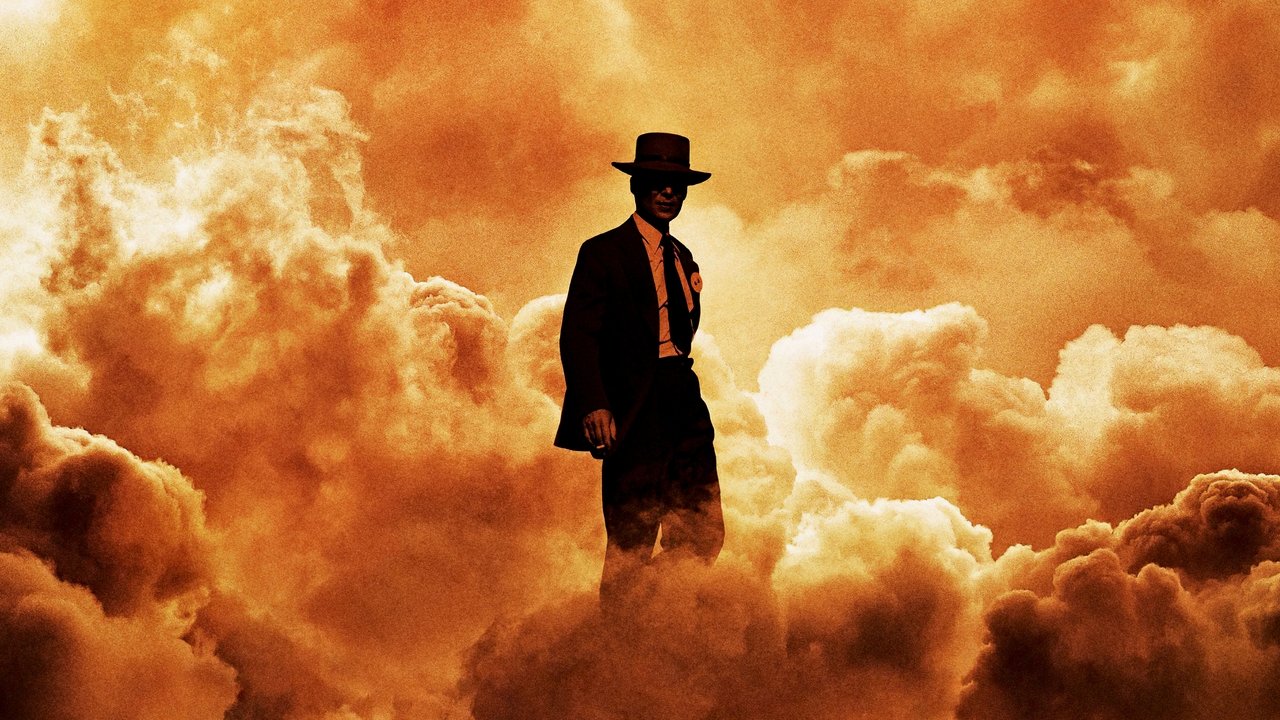
Oppenheimer
Hoyte van Hoytema photographed black-and-white sequences on IMAX 65mm film for the first time, exploiting the format's enormous detail density to convey the psychological intensity of the atomic bomb with physical immediacy.
Film stills sourced via the TMDB API. This product uses the TMDB API but is not endorsed or certified by TMDB. themoviedb.org ›
Definition
65mm bezeichnet ein professionelles Filmformat mit einer Negativbreite von 65 Millimetern, das zu den Großformaten (Large Format) in der Kinematografie gehört. Dieses Format bietet eine deutlich größere Bildfläche als das Standard-35mm-Format und ermöglicht dadurch eine außergewöhnliche Bildqualität mit höchster Auflösung und Detailschärfe. Die Projektion erfolgt üblicherweise auf 70mm-Kopien, wobei die zusätzlichen 5mm für die Tonspur (Magnetic Sound Tracks) verwendet werden.
Das 65mm-Format wurde bereits in den 1950er Jahren entwickelt und erlebte seine Blütezeit während der Ära der Roadshow-Präsentationen großer Hollywood-Produktionen. Bekannte Filme wie "Lawrence von Arabien" (1962) oder "2001: Odyssee im Weltraum" (1968) demonstrierten eindrucksvoll die visuellen Möglichkeiten dieses Formats.
Anwendung in der Praxis
in der Filmproduktion wird 65mm hauptsächlich für spektakuläre Großproduktionen eingesetzt, bei denen maximale Bildqualität und immersive Kinoerfahrung im Vordergrund stehen. Regisseure wie Christopher Nolan, Quentin Tarantino oder Paul Thomas Anderson nutzen dieses Format gezielt für bestimmte Sequenzen oder ganze Filme, um eine besondere visuelle Wirkung zu erzielen.
Technische Details
Die größere Negativfläche des 65mm-Formats erlaubt eine feinere Kornstruktur und einen erweiterten Dynamikumfang. Das Seitenverhältnis beträgt typischerweise 2,20:1 bis 2,76:1, was dem Bild eine charakteristische Panorama-Ästhetik verleiht. Die Kamerasysteme sind deutlich schwerer und kostspieliger als 35mm-Äquivalente.